
Semaglutide for Weight Loss: Results, Cost, Dosing and Safety


Wegovy and semaglutide patient guide

Semaglutide for Weight Loss: Results, Cost, Dosing and Safety

Semaglutide can reduce appetite and support clinically meaningful weight loss, but product identity, dose escalation, side effects, insurance and a sustainable maintenance plan all matter.

Contact W8MD

What is semaglutide?

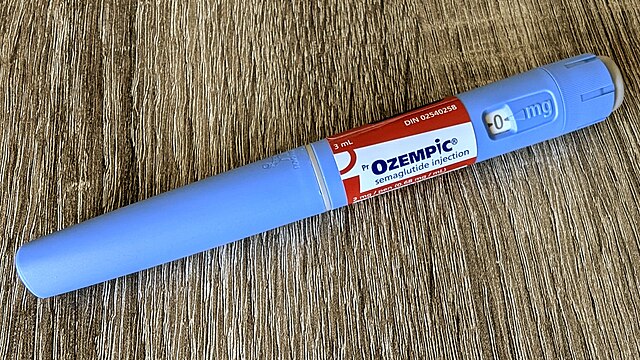
Semaglutide is a GLP-1 receptor agonist. Wegovy is the FDA-approved weight-management brand; Ozempic is a separate diabetes-labeled product. They contain the same active ingredient but should not be represented as identical in labeling, dose or insurance pathway.

Semaglutide enhances satiety signals, reduces hunger and slows gastric emptying. It is not a fat-burning injection. Its benefit depends on helping a patient maintain a lower energy intake over time.

Results and available forms

FormScheduleKey point
Wegovy 2.4 mg injectionOnce weekly after escalationMajor obesity trials reported about 15% mean loss in adults without diabetes; individual results vary.
Wegovy HD 7.2 mgOnce weekly for eligible adultsHigher dose is not automatically best; response and tolerability should guide selection.
Wegovy tablets 25 mgOnce daily after escalationOral FDA-approved semaglutide option; the label trial reported 13.6% mean loss at 64 weeks.
OzempicOnce weeklyDiabetes-labeled semaglutide; use solely for weight loss is off-label.

W8MD affordable GLP-1 starting pathways

Semaglutide
$29.99/week+

With insurance accepted for qualifying medical visits. Self-pay options start from $59.99/week and up.

Tirzepatide
$45/week+

With insurance accepted for qualifying medical visits. Self-pay options start from $69.99/week and up.

Starting prices are not guaranteed for every dose or patient and may change. Visit cost, medication, laboratory testing, supplies, shipping, copay, deductible and dose increases may be separate. Confirm what is included before treatment.
Semaglutide medication discussion for medical weight management
W8MD original image, used with permission. View the source image.

Side effects and screening

Nausea, vomiting, diarrhea, constipation, reflux and abdominal discomfort are common, especially during escalation. Clinicians also consider pancreatitis, gallbladder disease, dehydration, kidney injury, severe gastroparesis, diabetic retinopathy, pregnancy and planned anesthesia. Wegovy labeling includes a boxed warning and contraindication concerning personal or family history of medullary thyroid carcinoma or MEN 2.

W8MD emphasizes gradual titration, hydration, protein, manageable meal size and resistance activity to protect lean mass. A patient should not increase a dose simply because a calendar permits it.

Important: Prescription treatment requires an individualized evaluation. Eligibility, product, formulation, dose, pharmacy availability, FDA status, insurance coverage and total cost vary. Weight-loss medicines should not be used during pregnancy. Do not start, stop, combine or change a medicine without the prescribing clinician.

Frequently asked questions

How much does semaglutide start at through W8MD?

Semaglutide pathways start from $29.99/week and up with qualifying insured visits or $59.99/week and up self-pay. All pricing qualifications apply.

Is Wegovy the same as Ozempic?

No. They contain semaglutide but have different labels, doses and coverage pathways.

What happens after stopping?

Return of appetite and regain are common. Discuss maintenance or transition before stopping.

Related W8MD and WikiMD resources

How W8MD can help

W8MD physicians have more than 20 years of clinical experience and help patients compare medication safety, expected effectiveness, previous attempts, medical conditions, cultural food preferences, insurance benefits, convenience and complete long-term cost. Care may include prescription treatment, nutrition, a medically supervised VLCD for selected patients, sleep-apnea evaluation and weight-maintenance planning.

Brooklyn / New York City

W8MD Weight Loss, Sleep & MedSpa
2632 East 21st Street, Suite L3
Brooklyn, NY 11235

Serving Brooklyn, Manhattan, Queens, Staten Island, the Bronx, Long Island, nearby New Jersey and Connecticut communities.

Call 718-946-5500

Northeast Philadelphia

W8MD Weight Loss, Sleep & MedSpa
1718 Welsh Road, 2nd Floor, Suite C
Philadelphia, PA 19115

Serving Greater Philadelphia, Bucks and Montgomery counties, South Jersey, nearby Pennsylvania communities and Delaware.

Call 215-676-2334

Visit W8MD.com Review affordable GLP-1 options

Medical notice: General education only. This article does not diagnose, prescribe or replace individualized care. Results vary. Current FDA labeling and clinical judgment control. Treatment requires evaluation; insurance approval and a prescription are not guaranteed. Call 911 for an emergency. Reviewed August 2026.

Comments

Popular posts from this blog

Best weight loss medication

2026 medication guide • W8MD Weight Loss, Sleep & MedSpa Best Weight-Loss Medications: GLP-1 Injections vs. Phentermine/Topiramate Semaglutide and tirzepatide have changed obesity treatment by producing substantially greater average weight loss than older medications. Yet oral phentermine/topiramate remains one of the most effective, popular and cost-conscious non-GLP-1 choices. W8MD physicians help patients choose based on medical conditions, safety, appetite pattern, diet preferences, previous results, insurance and the cost they can sustain. NYC: 718-946-5500 Philadelphia: 215-676-2334 20+ years of physician experience Pills and GLP-1 options Insurance and prior authorization NYC and Philadelphia offices Which medication produces the most weight loss? Among widely used FDA-approved chronic treatments, tirzepatide (Zepbound) produced the greatest average loss in its pivotal obesity trial—about 15% to 20.9% at 72 weeks across maintenance doses. Semaglutide 2.4 ...

What you need to know about the new weight loss medication Contrave

Updated August 2026 • W8MD Weight Loss, Sleep & MedSpa Contrave for Weight Loss:  Results, Safety and Better Alternatives Contrave is an FDA-approved oral weight-management medication combining naltrexone and bupropion. It may help selected adults manage hunger and cravings, but it is less effective on average than phentermine/topiramate, Wegovy or Zepbound. W8MD physicians help patients compare expected benefit with blood pressure, seizure risk, opioid use, eating history, mood, previous medications, insurance and sustainable cost. NYC: 718-946-5500 Philadelphia: 215-676-2334 Physician supervised Pills and GLP-1 options Insurance and cost review NYC and Philadelphia offices Contrave at a glance Contrave contains 8 mg naltrexone and 90 mg bupropion in each extended-release tablet. It is used with a reduced-calorie diet and increased physical activity for chronic weight management in adults with obesity, or adults with overweight plus at least one weight-rela...

Know your metabolic risk with this free metabolic meter

W8MD Weight Loss, Sleep & MedSpa Belly Fat and Metabolic Risk: What Your Waistline May Be Telling You Excess abdominal fat can be associated with insulin resistance, abnormal cholesterol, high blood pressure and type 2 diabetes—but a waistline or BMI alone cannot diagnose metabolic syndrome. A medical evaluation puts the numbers in context. Request a W8MD appointment Explore medical weight loss Quick answer: Metabolic risk is better assessed with several measurements—not appearance alone. Clinicians commonly review waist circumference, blood pressure, fasting glucose or A1C, triglycerides and HDL cholesterol, together with medical history, medications, sleep and family history. What is metabolic syndrome? Metabolic syndrome is a cluster of risk factors that raises the likelihood of type 2 diabetes, cardiovascular disease and stroke. Under commonly used criteria, an adult has metabolic syndrome when at least three of the following five findings are present. Exact cutoff...